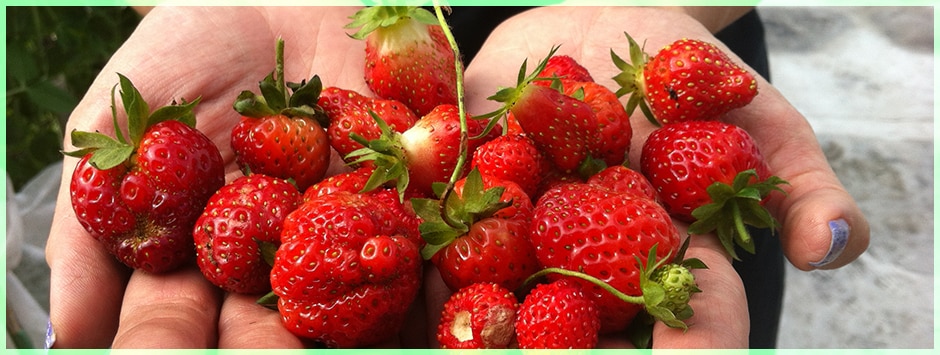
The first blush of spring brings a unique kind of magic to the garden, especially for those dreaming of homegrown strawberries. After months of winter's slumber, the sight of your strawberries showing signs of spring is a true herald of warmer days and the promise of sweet, succulent fruit. Cultivating a thriving strawberry patch isn't just about planting and waiting; it's a dedicated process of nurturing, especially during these crucial early spring weeks. From identifying renewed growth to fortifying your plants against pests and weeds, every step you take now lays the groundwork for a season of abundant, mouth-watering berries. Get ready to transform your garden into a berry-producing paradise!
The Awakening: Spotting Strawberries Showing Signs of Spring
As winter's chill recedes, your strawberry plants undergo a remarkable transformation. Unlike their lush, fruit-laden appearance in summer, early spring plants offer subtle clues of their reawakening. You're looking for vibrant green emerging from dormant crowns, a clear signal that the plant's core structure is springing back to life. While some gardeners meticulously cover their strawberry beds for winter protection, many, like the folks at Brooklyn Farm Girl, find that allowing nature to take its course, even with snow blanketing the plants, doesn't diminish their eventual yield. The key isn't necessarily how they overwintered, but how they emerge.
Initially, you might spot these promising green shoots on younger, more vigorous plants. Soon after, even older, more established patches will begin to unfurl fresh leaves. This renewed growth is your primary indicator. Later in the spring, you’ll be rewarded with delicate white, or sometimes pinkish, flowers – the beautiful precursors to those iconic red fruits. Properly identifying these signs of spring in your strawberry patch isn't just about curiosity; it's essential for gauging your plants' health and determining when they are truly ready for your attention and care. Knowing what to look for will help you prepare for a bountiful harvest. For a deeper dive into identifying these crucial growth stages, check out our guide on Spotting Spring Strawberries: Identify Growth for a Bountiful Crop.
Essential Spring Cleanup: Setting the Stage for Success
Once your strawberries are visibly stirring from their winter slumber, it's time for some critical spring cleaning. Think of it as preparing a fresh canvas for your plants to flourish. The first and most vital step is to meticulously clear the strawberry bed of all debris. This includes last year’s withered leaves, any old mulch that didn't break down over winter, and any other plant detritus that has accumulated. Why is this so crucial?
Old foliage and debris can harbor pests and fungal spores, creating a breeding ground for diseases that could quickly compromise your new growth. Removing them enhances air circulation around the crowns, reduces the risk of rot, and allows sunlight to reach the emerging leaves more effectively. Furthermore, a clean bed makes it easier to spot new weeds and apply any necessary treatments. This thorough cleanup creates an ideal, sanitary environment for your strawberry plants to thrive, allowing them to focus all their energy on producing sweet berries rather than fighting off pathogens.
Fueling Your Champions: Spring Nutrition for Plump Berries
Imagine your strawberry plants as tiny Olympic athletes: to perform their best and yield an abundance of juicy, flavorful fruit, they need the right fuel. Spring is your opportunity to act as their personal nutritionist, providing the essential nutrients that will support vigorous growth and impressive berry production all season long. While nitrogen is often crucial for initial leafy growth, as your strawberries transition from dormancy to flowering and fruiting, their needs shift significantly.
When you head to the garden center, you'll encounter fertilizers labeled with N-P-K ratios, like 5-10-10 or 10-20-20. For spring, particularly as your plants prepare to flower and set fruit, focus on fertilizers with higher numbers in the middle (Phosphorus) and at the end (Potassium). Phosphorus is vital for strong root development and flower formation, while potassium is the superstar for fruit quality, size, and sweetness. Studies confirm that balanced fertilizers, especially those with an emphasis on potassium in spring, lead to significantly bigger and more flavorful harvests. This ensures your plants have the specific nutrients needed for that "juicy berry boost."
For those preferring a natural approach, aged compost is an excellent choice, providing a slow-release medley of nutrients and improving soil structure. Fish emulsion is another fantastic organic option, though it might require more frequent application than granular fertilizers. Whichever route you choose, applying the right nutrients in spring will directly translate into the plump, perfect berries you dream of by summer. This early feeding also contributes to overall plant vigor, making them more resilient against potential pests and fungi throughout the growing season.
The Battle Against Weeds: Protecting Your Strawberry Patch
Weeds are the arch-nemesis of a healthy strawberry patch. Think of them as selfish roommates for your delicate strawberry plants, aggressively stealing precious water, vital sunlight, and essential nutrients that your berries desperately need to grow large and luscious. Beyond resource depletion, weeds can also overcrowd your plants, creating humid, stagnant conditions that make your strawberries more susceptible to disease and pest infestations. By vigilantly removing weeds, you provide your strawberries with the unobstructed space and resources they need to truly flourish.
Timing is critical when it comes to weeding. Don't rush into it too early; wait until those last frosty nights are definitely over and your strawberry plants are looking perky and green. Depending on your climate, this is typically sometime in late March or early April. Weeding too soon can stress out young, tender plants that are still recovering from winter. Keep a keen eye out for common freeloaders like crabgrass, chickweed, and dandelions – these notorious invaders will eagerly hijack everything your strawberries need to thrive. Research consistently shows that even one solid weeding session in early spring can make a monumental difference, leading to significantly fewer weeds all season long and remarkably healthier strawberry plants.
After your initial spring assault, don't let your guard down! Make it a habit to check on your patch every so often and ruthlessly nail any new weeds while they're small. This proactive approach is like giving your strawberries their own personal bodyguard, ensuring they have the best possible chance to produce an abundant harvest. For more detailed strategies on keeping your strawberry patch weed-free and well-nourished, explore our article on Boost Your Berry Patch: Spring Weeding & Fertilizing Secrets.
The Importance of Consistent Hydration
Beyond fertilization and weed control, consistent hydration is a non-negotiable for abundant, juicy strawberries. As your plants awaken and begin to produce flowers and then fruit, their water demands increase significantly. Adequate and steady moisture is crucial for nutrient uptake, photosynthesis, and ultimately, for the development of large, succulent berries. Erratic watering, leading to cycles of drought and saturation, can stress plants and even lead to smaller, less flavorful fruit. Aim for consistent, deep watering, especially during dry spells, to keep your strawberry plants happy and productive throughout the season.
Witnessing your strawberry plants transition from winter dormancy to vibrant spring growth is one of gardening's most rewarding experiences. By observing the subtle signs of their awakening, meticulously cleaning their beds, providing them with the right nutritional fuel, and defending them against invasive weeds, you're not just growing plants – you're cultivating a future full of sweet, homegrown moments. Your diligence in these crucial spring weeks will be repaid manifold with the unparalleled taste of freshly picked strawberries, a true testament to the joy of gardening. Embrace the process, and prepare to enjoy the sweetest berries you’ve ever tasted!
