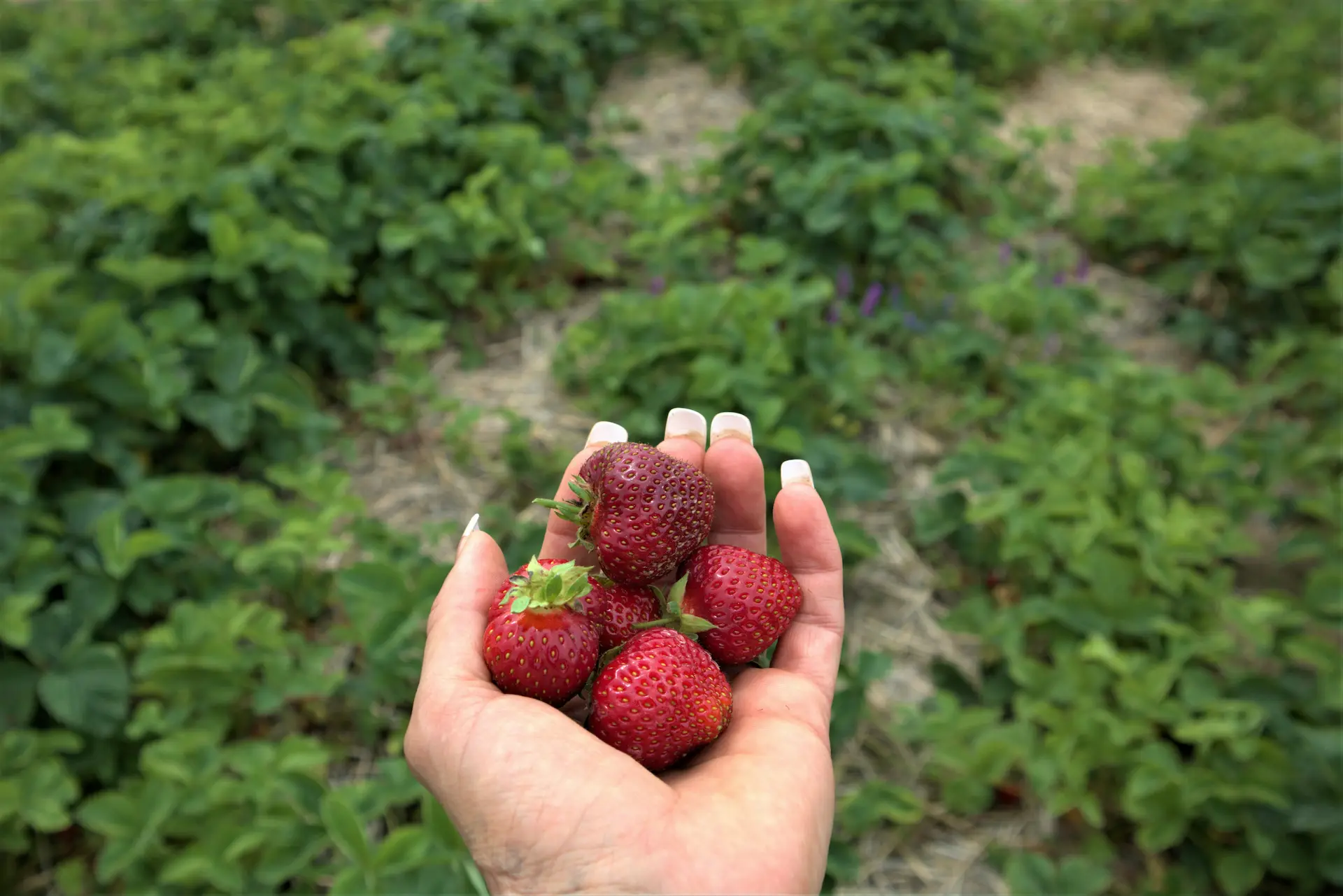
Witnessing Revival: When Strawberries Start Showing Signs of Spring
There's an undeniable magic in the first hints of spring, especially when it comes to your garden. For many home growers, few sights are as anticipated as their strawberry patch springing back to life. After a winter slumber, seeing your strawberries showing signs of spring is a clear signal that the promise of juicy, homegrown berries is just a few months away. This isn't merely a pleasant observation; it's a critical window for action. Proactive spring care, focusing on proper weeding and strategic fertilization, lays the groundwork for a season brimming with the sweetest, most abundant fruit you've ever tasted.
Whether your plants have braved the winter exposed to the elements, gathering snow like a natural blanket, or nestled under a protective cover, their awakening signals it's time to roll up your sleeves. Just as cherished memories of homemade strawberry treats with cream and sugar evoke a sense of delicious nostalgia, tending to your patch now will ensure your own future berry harvest lives up to those sweet expectations.
Decoding Spring's Awakening: Identifying Growth in Your Strawberry Patch
The journey from winter dormancy to a vibrant, fruiting plant is fascinating. Even if your approach to winterizing is hands-off, like some gardeners who let their plants embrace the natural cold, your strawberries will still follow a predictable pattern of re-emergence. Early signs of life might first appear in younger, more vigorous plants, quickly followed by the older, established crowns.
So, what exactly are you looking for when your strawberries showing signs of spring?
- Fresh Green Leaves: The most obvious indicator is the emergence of new, bright green leaves unfurling from the dormant crown. These will replace any older, possibly frost-damaged foliage from the previous season.
- Emerging from Dormancy: In early spring, the plants won't have the lush, abundant foliage of summer. Instead, you'll see a focus on the plant's core structure, with new growth radiating outwards.
- Perky Appearance: Once the last threat of severe frost has passed, your plants will start looking more "perky" and upright, signaling they are ready to actively grow. This typically happens sometime in late March or early April, depending on your local climate.
Proper identification of these signs is crucial. It tells you your patch is healthy, has successfully overwintered, and is primed for the new growing season. Understanding what to look for ensures you don't rush into aggressive care too early, potentially stressing delicate new growth. For a more detailed guide on what to expect, consider exploring Spotting Spring Strawberries: Identify Growth for a Bountiful Crop.
Conquering the Competition: Essential Spring Weeding for Strawberries
Once you see those promising green shoots, your first order of business in nurturing your strawberries showing signs of spring is a thorough clean-up. Weeds are more than just an aesthetic nuisance; in a strawberry patch, they are fierce competitors for vital resources. Imagine them as greedy roommates, relentlessly stealing the water, sunlight, and nutrients your precious berries desperately need to grow large and luscious.
Beyond resource depletion, weeds also crowd your plants, reducing air circulation and making your strawberries more susceptible to fungal diseases and pests. By removing weeds, you're not just tidying up; you're giving your strawberries the essential space and sustenance they require to thrive.
When and How to Tackle Weeds:
- Timing is Everything: Don't rush into weeding while there's still a risk of hard frosts. Wait until those last frosty nights are definitely over and your strawberry plants are visibly "perky" and green. Weeding too early can stress out these young, re-emerging plants.
- Initial Clear-Out: Begin by clearing the bed of all debris from the previous year. This includes old leaves, spent mulch, and any established weeds. This foundational clean-up is incredibly important.
- Identify the Enemy: Keep a keen eye out for common freeloaders like crabgrass, chickweed, and dandelions. These ubiquitous weeds will quickly stake their claim and compete for everything your strawberries need.
- Consistent Vigilance: Research consistently shows that one solid weeding session in spring makes a huge difference, leading to fewer weeds all season long and healthier strawberries. However, the battle isn't won with just one pass. Make it a habit to check on your patch every so often and "nail any new weeds while they're small." Think of yourself as your strawberries' personal bodyguard, constantly protecting them from unwelcome intruders.
By diligently removing these rivals, you ensure that every drop of water, every ray of sunshine, and every nutrient goes directly to fueling your future harvest.
Fueling the Champions: Spring Fertilization Secrets
Just like Olympic athletes need the right fuel to perform their best, your strawberries showing signs of spring require proper nutrition to produce those plump, sweet berries. Spring is your opportunity to become their personal nutritionist, providing them with the essential elements for a stellar performance all season long.
After you've cleared out the debris and weeds, it's time to feed your plants. This is typically done once the plants are actively showing significant new growth and have been cleared of last year's detritus.
Choosing the Right Fertilizer:
- Understanding N-P-K: Head to any garden center, and you'll see bags of fertilizer with three numbers, like 5-10-10 or 10-20-20. This is the N-P-K ratio, representing Nitrogen (N), Phosphorus (P), and Potassium (K).
- Nitrogen (N): Promotes leafy green growth. While important, too much nitrogen can lead to lush foliage at the expense of fruit.
- Phosphorus (P): Crucial for root development, flowering, and fruit production.
- Potassium (K): Essential for overall plant health, disease resistance, and fruit quality (think sweetness and firmness).
- Spring Focus: For spring strawberry care, you want to encourage flowering and fruit development. Therefore, opt for a balanced fertilizer with a higher number in the middle (Phosphorus) and at the end (Potassium). A general-purpose fertilizer like a 5-10-10 or even a 10-20-20 is often recommended. This will provide the necessary boost for juicy berries.
- Organic Alternatives: If you prefer a natural route, aged compost is an excellent choice. It enriches the soil, improves structure, and provides a slow release of nutrients. Fish emulsion is another good organic option, though you might need to apply organic fertilizers more frequently as their nutrients are released at a slower pace and can be less concentrated than synthetic options.
Science Says: It's not just anecdotal advice! Studies show that providing balanced fertilizers with an emphasis on phosphorus and potassium in spring can significantly lead to bigger, healthier harvests by summer. These nutrients are critical for encouraging strong flowering and fruit set, translating directly into plump, perfect berries.
Beyond the Basics: Other Spring Essentials for a Bountiful Harvest
While weeding and fertilizing are paramount, they are part of a broader spectrum of spring care that ensures your strawberries showing signs of spring evolve into a productive patch. Consider these additional steps:
- Pest and Fungi Protection: As your plants awaken, so do potential threats. Prepare your preventative sprays with the right ingredients to protect your bushes from common pests and fungi. Early intervention can save your harvest.
- Consistent Hydration: Strawberries are thirsty plants, especially as they enter active growth and later, fruit production. Ensure they receive continuous, adequate moisture. This is particularly crucial after applying fertilizer, helping the nutrients become available to the plant roots.
- Renewing Mulch: After your initial clean-up and fertilization, applying a fresh layer of mulch (like straw or pine needles) can be highly beneficial. Mulch helps retain soil moisture, suppresses new weed growth, and keeps berries clean as they develop.
- Thinning & Renovation: For established patches, spring is also a good time to assess plant density. If your plants are too crowded, you might consider thinning them out to improve air circulation and prevent competition among the strawberry plants themselves.
These combined efforts are what transform a promising start into a truly abundant and delicious summer harvest. For a holistic view on preparing your patch, check out Spring Strawberry Prep: Cultivate Sweet Berries All Season Long.
Conclusion: The Sweet Reward of Spring Effort
The sight of your strawberries showing signs of spring is more than just a seasonal marker; it's an invitation to engage actively with your garden. By dedicating time to essential tasks like thorough weeding and strategic fertilization, you're not just performing maintenance; you're investing directly in the health and productivity of your plants. This proactive approach ensures your strawberry plants have the space, nutrients, and protection they need to thrive, translating into a summer filled with the sweetest, most delectable berries you can imagine. Embrace the spring, nurture your patch, and prepare for a harvest that will be truly rewarding.
